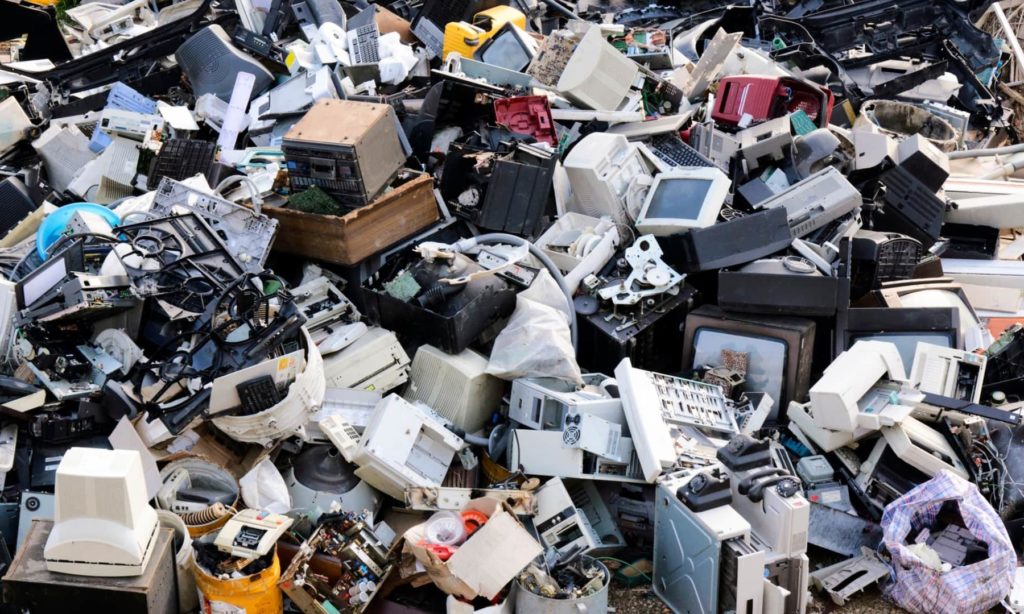
Electronic devices have become embedded into everyday business operations — from cloud-connected tills to portable laptops, industrial machinery, smart sensors, and IoT infrastructure. Yet every device has a lifecycle, and as the digital transformation accelerates, the volume of obsolete, damaged, or unwanted electronics is rising faster than many businesses can keep up with. The result is a mounting environmental and logistical challenge: e-waste.
E-waste is not just “old computers.” It encompasses anything with a plug, battery, circuit board, or semiconductor. That includes servers, handheld scanners, phones, smartboards, industrial controllers, test equipment, and thousands of niche items. Critically, many contain rare earths, precious metals, and hazardous materials — making disposal a significant regulatory and reputational concern.
Why E-Waste Isn’t Just Another Waste Stream
Traditional waste systems were developed around bulky materials such as paper, metals, and plastics. Electronics break this model for several reasons:
- Complex Material Composition
A single smartphone may contain 70+ different elements, including cobalt, lithium, copper, gold, and neodymium. Recovering these resources efficiently requires specialist processes and infrastructure. - Hazardous Substances
Flame retardants, cadmium, lead solder, and lithium chemistry batteries all require careful handling to avoid environmental contamination. - Rapid Obsolescence
Businesses are replacing devices faster than municipalities can adjust — particularly in retail, healthcare, and logistics, where digital transformation timelines are compressed. - Security & Data Concerns
Hardware rarely dies without data. Disposal policies must include data sanitisation, destruction, or certification to avoid breaches and compliance issues (most notably under GDPR).
Regulatory Expectations and Responsibility
Governments are tightening frameworks around e-waste because existing landfill and incineration infrastructures cannot cope. Extended Producer Responsibility (EPR) schemes are emerging globally, requiring manufacturers to help fund collection, recycling, and recovery. Businesses more broadly are facing new obligations to demonstrate ethical and compliant disposal practices under ESG and procurement requirements.
Beyond compliance, investors, customers, and employees increasingly expect technology-intensive businesses to close material loops. High-profile ESG failures have shifted sustainability into brand equity territory, increasing the pressure on organisations that handle technology assets at scale.
The Circularity Opportunity
The sustainability conversation often emphasises carbon, but material circularity is gaining equal traction. Electronics represent an ideal test case for circularity initiatives because:
- valuable materials can be recovered
- refurbishment extends asset life
- batteries can be separated and repurposed
- components can be harvested
- high-grade metals can be fed back into manufacturing
Circularity in electronics isn’t simply about recycling at the end of life — it involves procurement choices, modularity, buy-back, remanufacture, and shared ownership models (e.g., device leasing).
Practical Strategies for Businesses
Forward-thinking organisations are approaching e-waste as a managed asset class rather than an afterthought. Best practices include:
- Asset tracking: ensuring devices don’t “disappear” into storage cupboards (a common fate for laptops and tablets).
- Lifecycle planning: forecasting replacement cycles rather than reacting to breakage.
- Refurbishment pathways: diverting usable equipment to resale, leasing, or charitable reuse.
- Accredited processing: where safe dismantling, extraction, and data sanitisation are guaranteed.
- Reporting and certification: providing evidence for ESG, procurement, and auditing requirements.
For larger entities, integrating circularity into procurement can reduce costs, improve sustainability scores, and mitigate future regulatory tightening.
A Single Mention of the Keyword
Within the UK, regulated frameworks such as weee recycling uk have played a foundational role in establishing responsibility for collection, treatment, and recovery, ensuring that hazardous components are handled safely and valuable metals can be re-extracted for manufacturing.
Market Trends and Geopolitical Importance
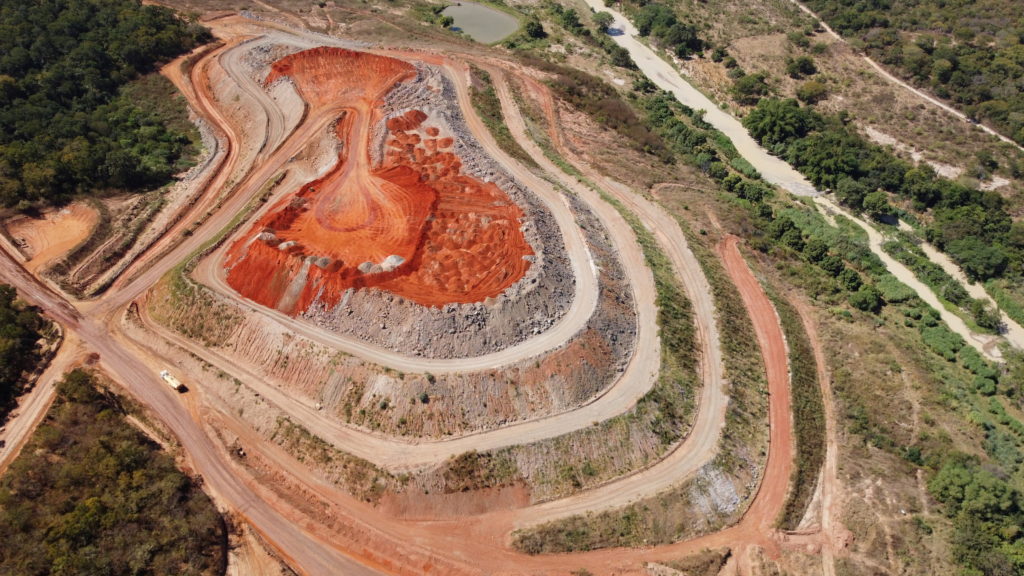
The global demand for materials like lithium, cobalt, nickel, copper, and rare earths is accelerating due to growth in clean energy, industrial automation, robotics, and electric vehicles. Mining new material has geopolitical, environmental, and social implications. Efficient recovery from electronics reduces supply chain risks and supports strategic autonomy.
As major economies compete for critical minerals, businesses that establish mature e-waste recovery channels may gain economic and reputational advantages — especially those manufacturing or operating within technology-intensive sectors.
Public Awareness and Media Coverage
Mainstream media coverage around e-waste has increased as environmental groups warn about the scale of discarded electronics and the challenges of informal recycling in developing countries. Investigations have also highlighted the risks of illegal export, improper disposal, and unregulated dismantling operations — prompting calls for more transparent systems and better business accountability.
Recent reporting has focused on both the economic opportunity and environmental responsibility embedded within circular technology markets, indicating that this topic is transitioning from sustainability niche to strategic priority.
Closing the Loop
E-waste poses a serious sustainability issue, but it also offers a pathway to more resilient supply chains and smarter resource management. The shift from disposal to recovery is already underway. Businesses that modernise their technology lifecycle practices will not only stay ahead of regulation but also capture material efficiency, reputational benefits, and circularity gains that competitors may miss.